No Laughing Matter
In her 2013 book, Lean In: Women, Work, and the Will to Lead, Facebook’s Sheryl Sandberg encouraged women to scale the corporate ladder. Yet women … Read More
In her 2013 book, Lean In: Women, Work, and the Will to Lead, Facebook’s Sheryl Sandberg encouraged women to scale the corporate ladder. Yet women … Read More
Sociologist Jennifer M. Silva examines how working-class men and women navigate the transition to adulthood amid economic insecurity and social isolation. She finds that young adults experience fear of intimate relationships, low expectations of work, and widespread distrust of institutions as they come of age. Read More
Corey FieldsDoes all work and no play really make Jack a dull boy? In a 2006 TED talk, education … Read More
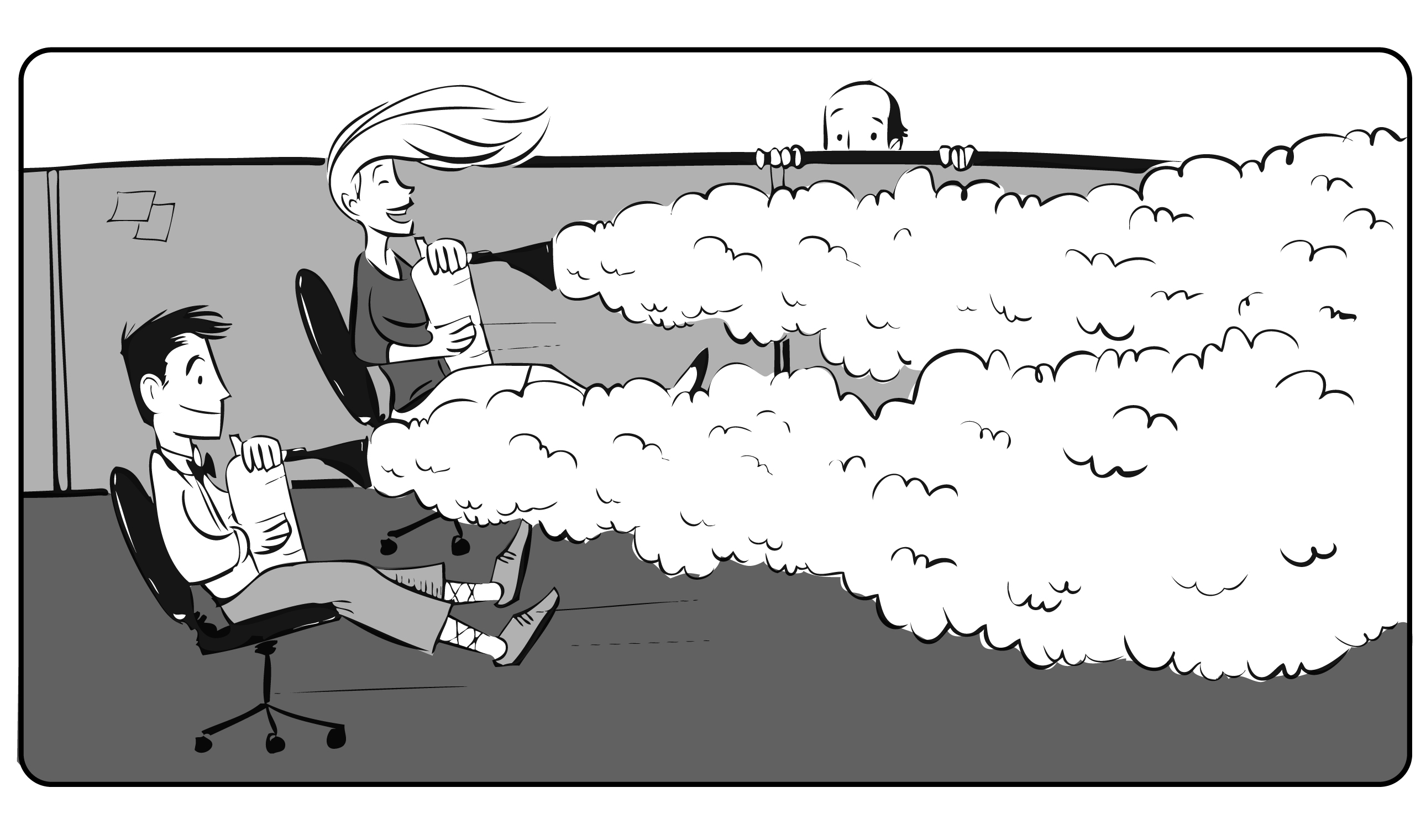
Sociologist Gretchen Purser reviews the books The Temp Economy, Intern Nation and The Precariat. These books explore recent transformations in the labor market and the increasingly precarious nature of work. Read More
Sociologist Yasemin Besen-Cassino explores the techniques through which employers attract young, attractive, and middle-class workers for minimum wage, service sector jobs. Using in-depth interviews and job ads, she shows that employers focus on social benefits, discounts, and prestige of the brand to attract higher income workers to low paying jobs. Read More
The share of jobs that are low-skill declined by 15% from 1960 to 2005, yet low-wage jobs have made up an increasing share of total job growth over that period. Scholar Matt Vidal discusses how the manufacturing-based, nationally bound economy of the postwar years allowed employers to pay decent wages for low-skill jobs, but in today’s postindustrial, internationalized economy, wage-based competition has returned with a vengeance. Read More
Two analyses of welfare policy as it has played out for over a decade shows how welfare-to-work programs fail to meet the basic needs of their participants and their communities. Read More
Armed with methodological skills and a healthy sociological imagination, a quarter of advanced-degree holding sociologists find work outside of the ivory tower. Sociology, as a whole, can benefit from increasing support and dialog across the academic/applied divide. Read More
A “real utopia” isn’t an oxymoron or a figment of the imagination. Erik Olin Wright writes, instead, that real world examples of functioning social alternatives can help us find ways to improve the human condition. When history provides an opportunity to effect such changes, a familiarity with real utopias will provide a roadmap. Read More
In her time as a researcher in Abdijan, Jordanna Matlon explored the African city’s peripheral economies and the men who make their livings and identities in these spaces. Read More